
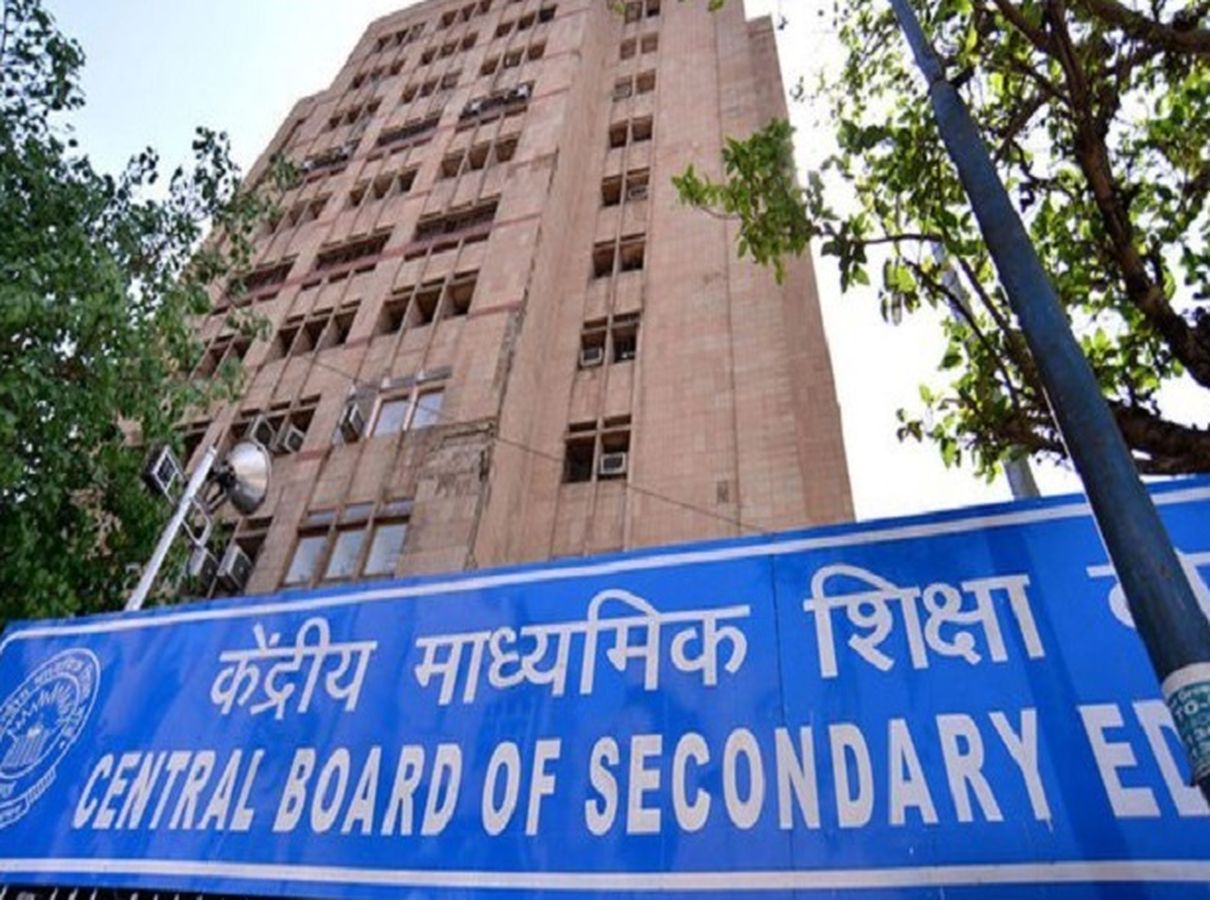
India’s education system is undergoing a significant transformation with the introduction of new reforms aligned with the National Education Policy (NEP) 2020. One of the most talked-about changes is the revised Three-Language Formula, which is set to reshape how students learn languages in schools affiliated with CBSE.
This article breaks down the new system in a simple, clear, and informative way—helping students, parents, and educators understand what’s changing and what it means for the future.
What Is the New Three-Language Formula?
The Three-Language Formula is not entirely new, but it is now being more strictly implemented and structured. Under the revised system, students will study three languages categorized as:
- R1 (Primary Language): The student’s strongest language, usually their mother tongue or regional language.
- R2 (Second Language): A different language from R1, where moderate proficiency is expected.
- R3 (Third Language): Introduced from Class 6 and mandatory.
A key rule is that at least two of the three languages must be Indian languages.
When Will This Be Implemented?
The rollout will begin in a phased manner:
- 2026–27: Students entering Class 6 will start following the new language system.
- 2030–31: These students will need to pass all three languages in their Class 10 board exams.
Current Class 10 students are not affected by this change.
Is English Being Removed?
No, English is not being removed from the curriculum.
However, its role is changing:
- Earlier, English was compulsory and dominant.
- Now, it becomes optional, similar to other foreign languages like French or German.
- Students can still choose English, but they must also study at least two Indian languages.
Example Combinations:
- Hindi + Sanskrit + English
- Bengali + Marathi + English
- Tamil + Hindi + French
However, choosing only foreign languages (like English + French + German) will not be allowed.
Why Is This Change Being Introduced?
The shift aims to promote a more balanced and inclusive education system. Key reasons include:
1. Cognitive Development
Research shows that multilingual students often have:
- Better memory
- Stronger problem-solving skills
- Improved analytical thinking
2. Cultural Integration
Learning Indian languages helps students:
- Stay connected to their roots
- Understand diverse cultures
- Promote national unity
3. Balanced Language Importance
The policy recognizes:
- English as a global language
- Indian languages as carriers of culture and identity
Other Major Changes in the CBSE System
Dual-Level Curriculum for Math and Science
CBSE is also introducing a two-level system:
- Standard Level: Mandatory for all students, covering basic concepts
- Advanced Level: Optional, for students who want deeper knowledge
Important:
- Advanced exams are optional
- Failing advanced level will not affect overall progress
- Marks for both levels are reported separately
This aims to reduce pressure and allow students to focus on their strengths.
Changes in Exam Pattern
The new system will move away from rote learning toward concept-based and application-oriented assessments.
What’s Changing?
- Fewer theory-heavy questions
- More case-based and real-life problem-solving questions
- Increased use of MCQs and scenario-based evaluation
This means students will need to understand concepts rather than memorize answers.
Challenges and Concerns
While the reform is promising, it comes with some challenges:
- Teacher Availability: Schools may struggle to find qualified language teachers
- Infrastructure Gaps: Rural areas may face implementation difficulties
- Language Sensitivities: Some regions may have concerns about language preference or imposition
- Perception Issues: Concerns about reduced emphasis on English and global competitiveness
What Does This Mean for Students?
The new system aims to:
- Reduce academic stress
- Offer flexibility in subject choices
- Encourage multilingual learning
- Prepare students for future careers
- Promote holistic development
Students will have more control over their learning journey, especially with optional advanced subjects and flexible language choices.
Final Thoughts
The revised Three-Language Formula and related CBSE reforms mark a major shift in India’s education landscape. By focusing on multilingualism, conceptual learning, and flexibility, the system aims to better prepare students for a rapidly changing world.
However, the success of these reforms will depend heavily on effective implementation, teacher training, and infrastructure development.
For now, students and parents should stay informed, understand the options available, and plan accordingly to make the most of this new system.
FAQs
Q1. Is English compulsory under the new system?
No, English is optional but still available as a language choice.
Q2. How many languages do students need to study?
Three languages, with at least two being Indian languages.
Q3. Will this affect current Class 10 students?
No, the changes apply to students starting Class 6 from 2026–27.
Q4. What is the benefit of the dual-level system?
It allows students to choose between basic and advanced learning, reducing pressure and supporting individual interests.
Leave feedback about this